We have some bad news for your cat: those delicious onion and garlic-heavy meals you spend your evenings cooking up? They can’t have any, despite how good they smell as they sizzle in a pan.
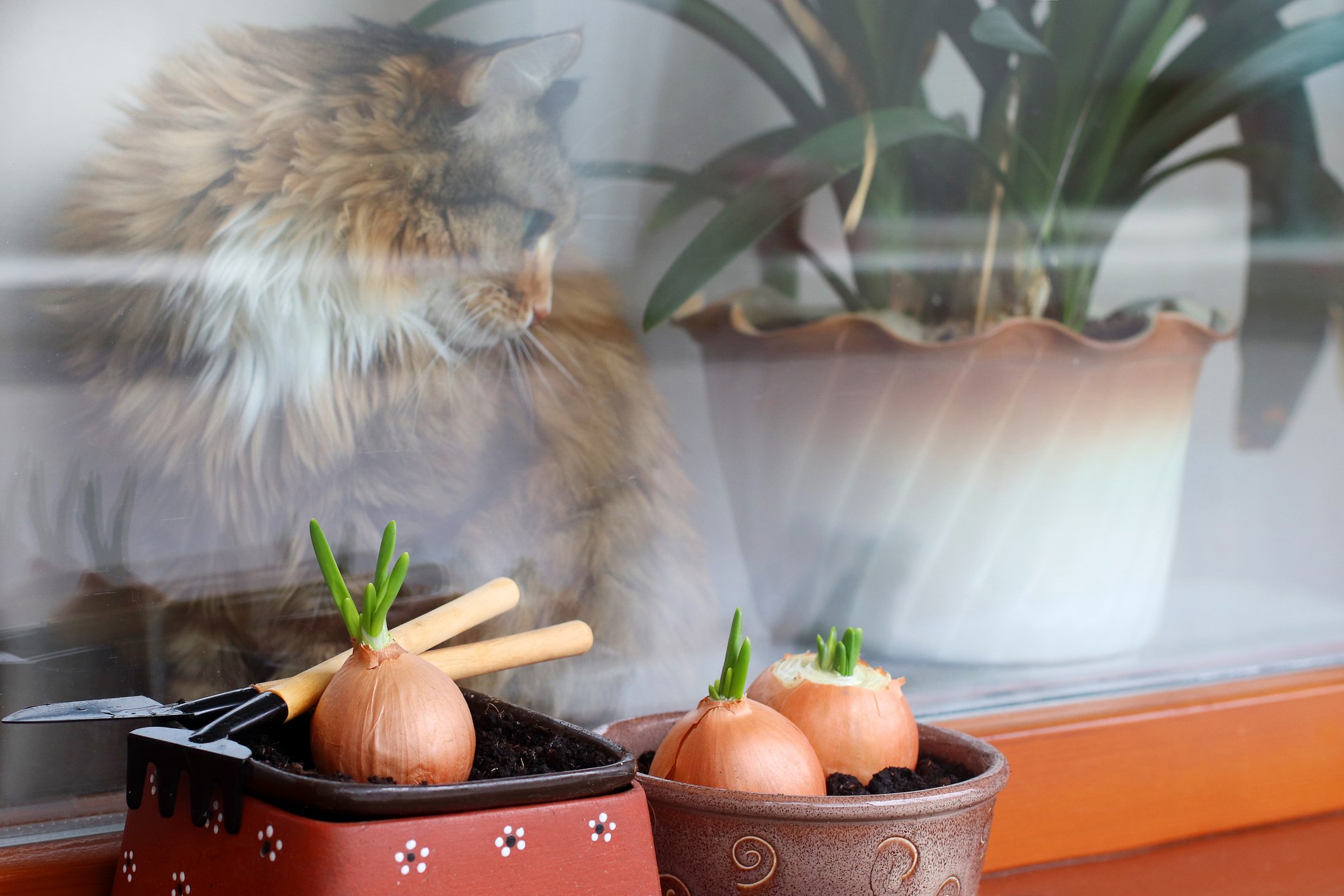
Onions, garlic, leeks, chives – these everyday kitchen staples might seem harmless, and indeed they are to us. To cats, however, they can be seriously toxic. And unfortunately, they show up in more places than you’d think.
WHAT IS ALLIUM TOXICITY?
The Allium family is a group of plants commonly used in cooking, including all of the above. They add distinctive flavours to our meals, but they also contain a compound called N-propyl disulphide, which is toxic to cats and dogs.
This sulphurous compound damages red blood cells, leading to a condition known as haemolytic anaemia – where those cells break down faster than the body can replace them.
In short: these are flavours you’re going to want to keep to yourself. Some dinners you just can’t share.
WHO IS AFFECTED?
Cats and dogs of any age and breed can be affected by Allium toxicity, although cats seem to have it worse. While PetSure 2025 claims data shows that Allium toxicity mainly affects younger cats (aged under one year), cases persist throughout a 15-year lifespan. Kittens are less likely to make great dietary decisions, but don’t let your guard down once they get older.
According to PetSure data, Allium toxicity was most prevalent in the following breeds:
| Breed | Prevalence |
| Sphynx | 0.12% |
| Russian Blue | 0.08% |
| Ragdoll | 0.02% |
| Domestic Short Hair | 0.02% |
| British Short Hair | 0.01% |
Prevalence = Total number of unique claiming pets / total number of insured pets across a 12-month period. Excludes breeds with fewer than 500 active pet insurance policies.
SIGNS OF ALLIUM TOXICITY
So there’s this overly appealing yet highly toxic food commonly found around most households. At least if it’s ingested, symptoms will show up pretty quickly and allow for faster treatment, right?
Wrong. Depending on how much has been eaten, signs can take several days to develop.
Early signs often include gastrointestinal upset, with vomiting being common. As the condition progresses, symptoms linked to anaemia could appear, such as:
- Weakness
- Panting
- Pale skin and gums (or areas that are normally pink)
- Discoloured urine (red to brown)
In severe cases, your cat may develop jaundice – a yellowing of the skin or eyes – as red blood cells break down.
Kidney damage can occur as a secondary effect, and at worst, cats may collapse or die suddenly.
If you suspect your feline companion has eaten onions, garlic, leeks, chives or food containing them, contact your vet immediately.
MANAGEMENT OF ALLIUM TOXICITY
As always, prevention is the best treatment. Start with the obvious step: keep Allium-rich foods out of reach. Dispose of scraps promptly and avoid feeding pets any food that may contain these ingredients, even in small amounts.
Treatment will depend on how much was eaten and how quickly your cat is seen by a vet. If you can catch it early, your vet may induce vomiting to reduce the toxin from the stomach.
With no specific antidote available, treatment focuses on symptom management. This can include:
- Intravenous fluids to support kidney function
- Activated charcoal to help absorb toxins
- Blood transfusions and oxygen therapy in severe cases of anaemia
It’s not a situation you want to wait out, and your wallet won’t be a fan. PetSure’s 2025 claims data shows the average single treatment cost relating to Allium toxicity is $356.00, with the highest single treatment cost reaching $1,370.
Pet insurance can help in these situations. Veterinary costs can be difficult to predict, so having cover for eligible vet bills in place can help you prepare for the unexpected.
THAT’S ALLIUM, FOLKS
We all have culinary weaknesses, but your cat’s is just that bit more fatal. Avoid the worst by keeping your garlic, onions, leeks, chives and other Allium-heavy ingredients safely away. You don’t have to give up your favourite flavours, but by taking a bit of extra care, you and your cat can live to dine another day.