
Summer might be over, but parasites didn't get the memo.
When the heat fades, one of the biggest pet care misconceptions emerges: that bloodsucking pests have packed up and gone to ground. Not quite.
Ticks, fleas, heartworms, intestinal worms, mites and even leeches are year-round nuisances. Late summer might be their peak season, but when the warmth and humidity ease off, they don't disappear - they simply press on.
And they’re no less dangerous for it. One bite can bring discomfort, illness and even life-threatening conditions. Understanding the risks is the first step to keeping your pet safe. Their cuteness won't cover it.
BLOOD FEUD
For creatures so small, parasites are impressively persistent.
In milder climates, they can thrive well into autumn. Indoors, fleas can stick around all winter, and ticks remain active right across Australia.
In fact, they’re becoming more of a concern. Dogs NSW has recently reported on the spread of canine ehrlichiosis, a tick-borne disease that can be deadly to dogs. The brown dog tick has spread the disease across northern Australia, with cases increasing in Queensland in early 2026.
As canine ehrlichiosis is relatively new to Australia — first detected in 2020 — domestic dogs haven’t developed natural resistance. While efforts are underway to contain it, the brown dog tick remains a carrier of this serious illness, which can often appear without obvious symptoms.
TICKING AWAY
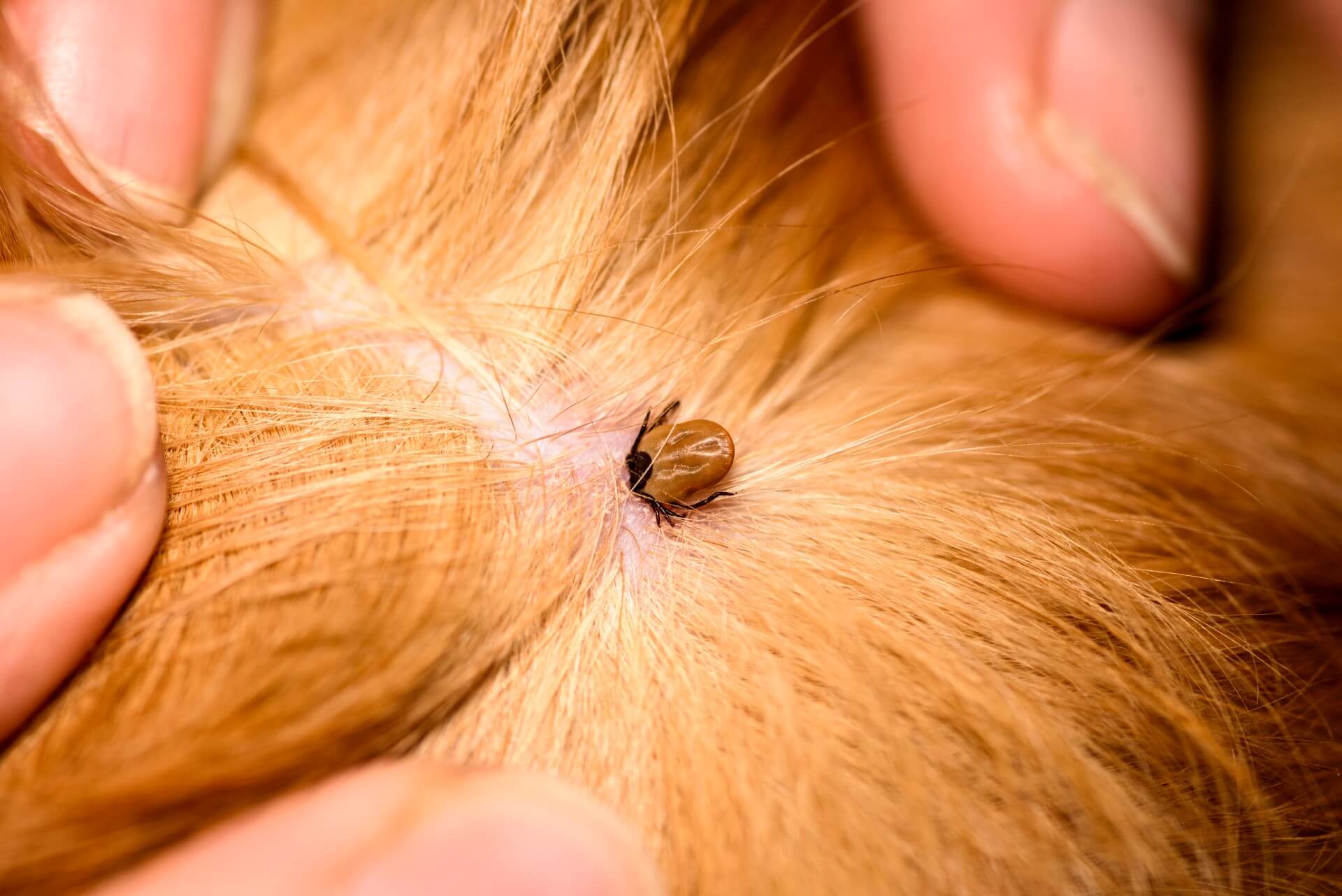
Regular ticks are bad enough. Paralysis ticks are another level entirely.
These ticks attach by embedding their mouthparts into the skin and feeding on blood, releasing a toxin through their saliva. Over time, this can cause progressive paralysis, potentially leading to respiratory failure and death if untreated.
They’re most active along Australia’s east coast, particularly in bushy, grassy and coastal areas.

The tricky part? Tick bites are easy to miss. So it’s important to know the signs of tick paralysis:
- Weakness in the legs
- Vomiting or loss of appetite
- Difficulty breathing or excessive drooling
- A change in your pet’s bark or meow
- Intense scratching and biting at the skin
- Patchy hair loss
- Scabs or crusty skin
- Head shaking (in cases of ear mites)
According to PetSure claims data from 2025, the average treatment cost for tick paralysis in dogs was $3,484, with the maximum claim reaching $59,147. For cats, the average claim was over $2,660, with a highest claim of $30,479. We ain't kitten.
Preventatives can play an important role in reducing risk. Many are long-acting, easy to administer and also protect against fleas.
And know your ticks. Different ticks carry different risks:
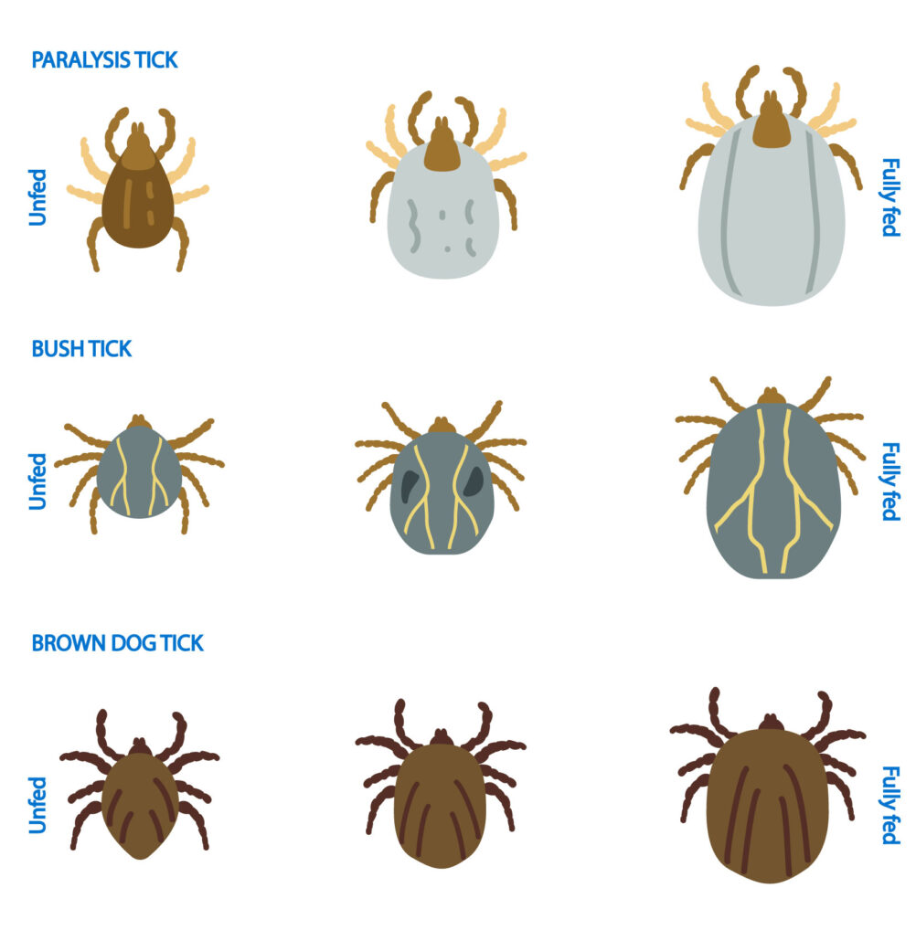
If you live in a tick-prone area, daily checks are essential. Focus on the front legs, neck, face and ears. If you find a tick, remove it promptly using a tick removal tool and seek veterinary advice. When possible, it’s best to have your vet handle removal.
FLEAS TO MEET YOU
If your cat suddenly turns into a scratching enthusiast, fleas are usually the culprit. More than just irritating, fleas can trigger allergic reactions, transmit tapeworms and lead to severe and chronic skin infections.
And they don't waste time: a single flea can lay up to 50 eggs a day. Before long, you’ll be scratching right alongside your cat.
You don't want that. According to PetSure claims data for 2025, the average cost of treating skin infections was $292 for cats, with maximum claims reaching $6,328.
While flea populations surge in summer, they can survive year-round indoors, hiding in carpets, bedding and upholstery.
Prevention is key. Regular treatments, combined with vacuuming and washing bedding, can help keep infestations under control. Spot-on treatments, oral medications and flea collars are all common options to keep the tiny bloodsuckers at bay.
MITE AS WELL FACE IT
Mites may be tiny, but they can cause big problems.
These microscopic parasites can lead to mange, ear infections and hair loss — and they’re more common than you might think.
In fact, ear infections were among the top 10 claimed conditions for both dogs and cats in 2025. The average treatment cost was $424 for cats, with the highest claims reaching $11,589.
While some mites naturally live on healthy pets in small numbers, issues arise when populations grow out of control.
In more severe cases, you might notice symptoms such as intense itching, redness, inflammation or hair loss.
And yes — some mites can transfer from pets to humans. If you notice signs, it’s best to consult your vet and put a prevention plan in place.
LEECHES SUCK
Wet weather brings out one of nature’s more… determined hitchhikers: the leech.
Found in damp environments, leeches wait for a passing host, latch on and feed using a sucker lined with tiny teeth. They release a mild anaesthetic, so pets often don’t feel the bite — making them easy to miss and occasionally easy to bring inside.
Once they’ve had their fill (usually within about 45 minutes), they detach, leaving behind a small bleeding wound. Blood loss is typically minimal, though multiple leeches can attach at once.
The good news? Leeches don’t multiply quickly and aren’t known to transmit diseases to pets.
If you do find one, removal needs to be done carefully:
- Slide something thin and firm under the narrower end (the head) to break the attachment
- Avoid pulling directly, as this can leave mouthparts behind
- Once detached, remove the body and clean the wound with water
BLOODY TOURISTS
If there’s blood, there will be parasites.
The best defence is consistency. A year-round prevention plan — including flea, tick and worm treatments — can help reduce the risk.
Regularly check your cat, keep your home and yard tidy, avoid long grass and stay aware of local parasite hotspots.
And if something does slip through? Acting quickly matters.
Parasites can be easy to miss and conditions like skin infections can become chronic, sometimes requiring ongoing treatment.
Pet insurance can help manage the cost of unexpected care, especially when treatment becomes more complex over time.
Because blood is life — and your cat doesn’t have to share theirs.