Cats are curious – gloriously, unapologetically curious. It’s part of their charm. It’s also how they end up scarfing things that were never on the menu.
From toxic lilies to loose string, human medication, chocolate or even rat bait, toxins and foreign objects can turn a quiet afternoon into a stressful (and often costly) trip to the vet. And no, their cuteness won’t cover it.
HOUSEHOLD HAZARDS
New cat owners may be blind to these innocuous dangers, but if ingested they will cause damaging and costly havoc.
Lilies
Elegant, fragrant... and for cats, incredibly dangerous.
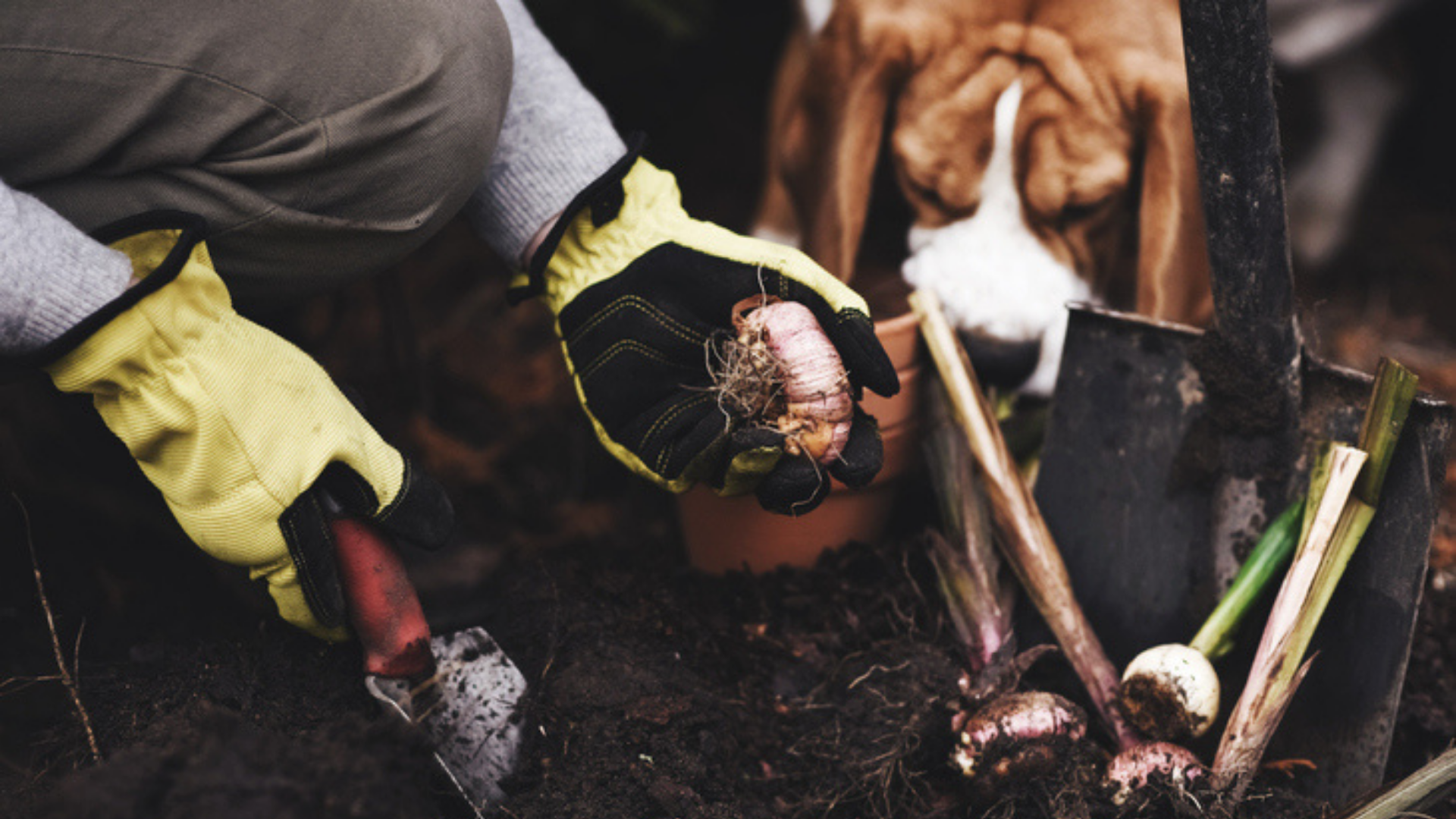
According to PetSure claims data, lilies are the number one toxin ingested by cats. Toxicity can occur from exposure to Lilium and Hemerocallis species, including true lilies and daylilies.
Symptoms can range from loss of appetite, vomiting and lethargy to excessive thirst, weakness and even seizures linked to kidney injury or failure.
Immediate treatment is a must. This often involves hospitalisation and interventions to stop toxin absorption and protect kidney function.
Craft objects
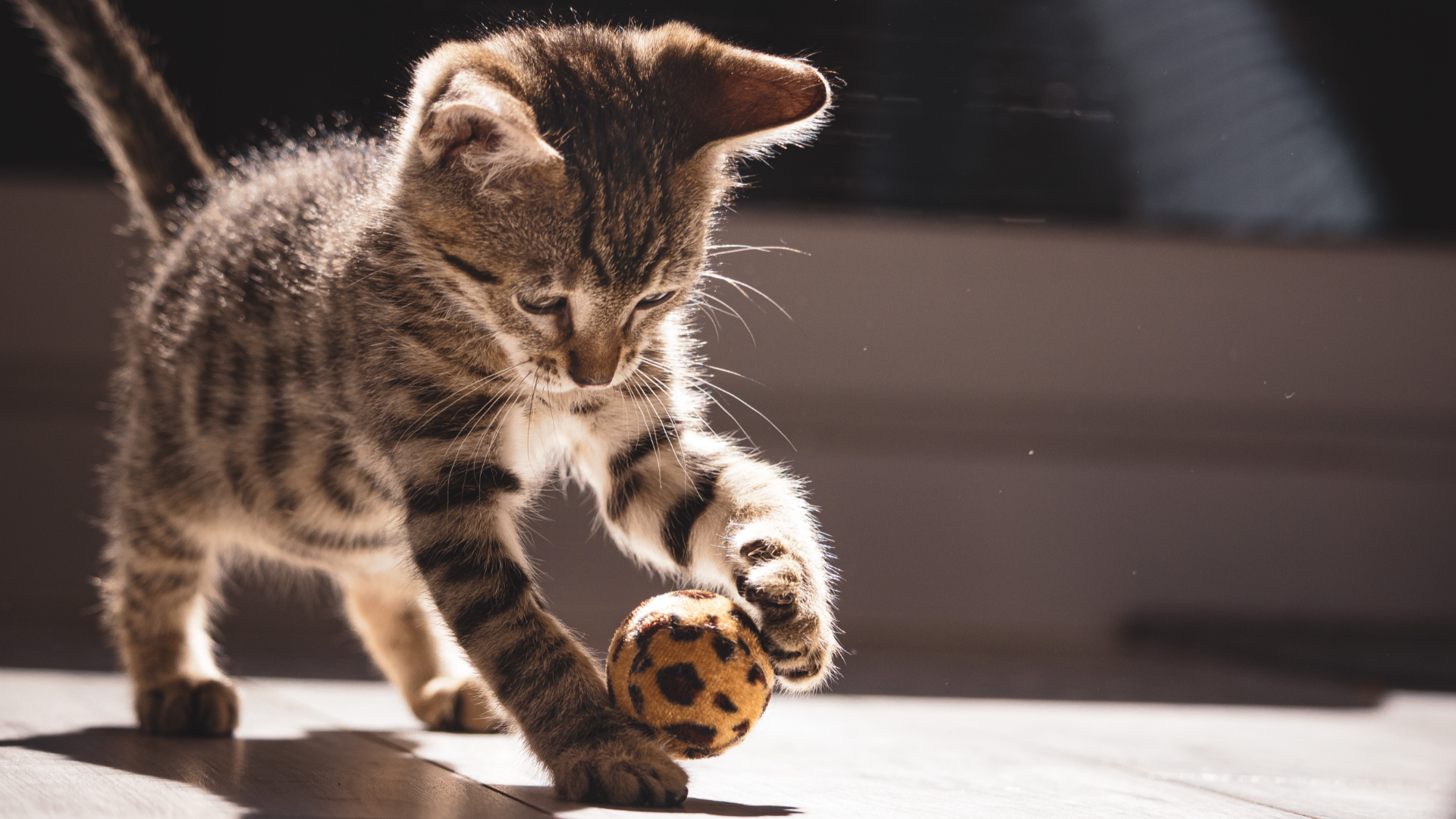
To a cat, string is a game – and it can be a very dangerous one.
Common craft items like string, ribbon and thread are regularly ingested due to the appeal of their movement and texture. Once swallowed, they can become entangled in the intestines, causing blockages or even perforations, which can be life-threatening.
Chocolate
Irresistible to some, deadly to others – such is the fate of chocolate.
The rich treat contains theobromine and caffeine, both of which are toxic to cats. Ingestion can lead to vomiting, diarrhoea, rapid breathing, increased heart rate and, in severe cases, seizures or death.
Rat poison
Rodenticides are designed to do one thing, and they don’t discriminate.
Rats and cats alike can fall victim to stray rat poison. In cats, ingestion can lead to internal bleeding, weakness, breathing difficulties and potentially death if not treated promptly.
Human medications
They may help us but they won’t do much good for our furry friends.
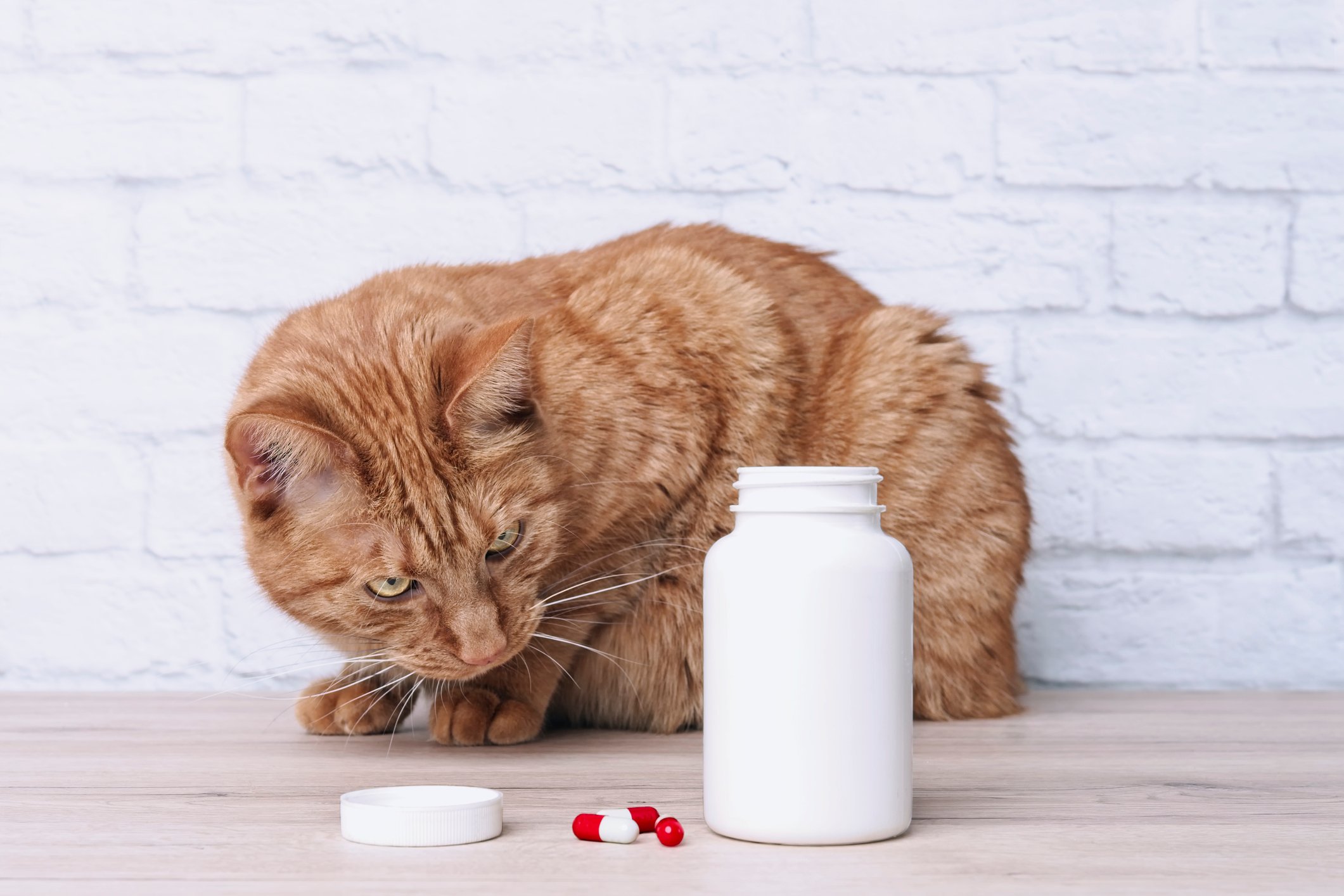
Cats are particularly sensitive to common medications such as ibuprofen and paracetamol. Ingestion of these everyday tablets can result in kidney damage, liver failure, gastrointestinal ulcers and other severe complications.
WHO’S AT RISK?
According to PetSure claims data from 2025, the five cat breeds most at risk of ingesting toxins or foreign bodies are:
- Norwegian Forest Cat
- Siamese
- Australian Mist
- Burmese
- Birman
EXPENSIVE TASTE
Regardless of breed, PetSure’s 2025 claims data gives a good indication of just how much you could pay if your cat eats something they shouldn’t.
The average treatment cost for ingestion of a foreign body or toxin was $1,174, and the highest treatment cost was $12,125 – we ain’t kitten.
Drilling deeper, the average treatment cost for lilies was $743, with a maximum amount of $5,518; chocolate cost cat owners $322 as an average and $688 as the high; bait was an average of $527 and a max of $2,190; medication cost an average of $759 per claim and a max of $11,642; and for craft objects and other foreign bodies, the average was $1,376, with a high of $12,125.
SHUT YOUR MOUTH
These aren’t prices you want to pay, and as ever, prevention is the best treatment. Curb their curiosity with these tips:
- Cat-proof your home: Keep hazardous items like flowers and medications out of reach, clear countertops and supervise access to risky areas.
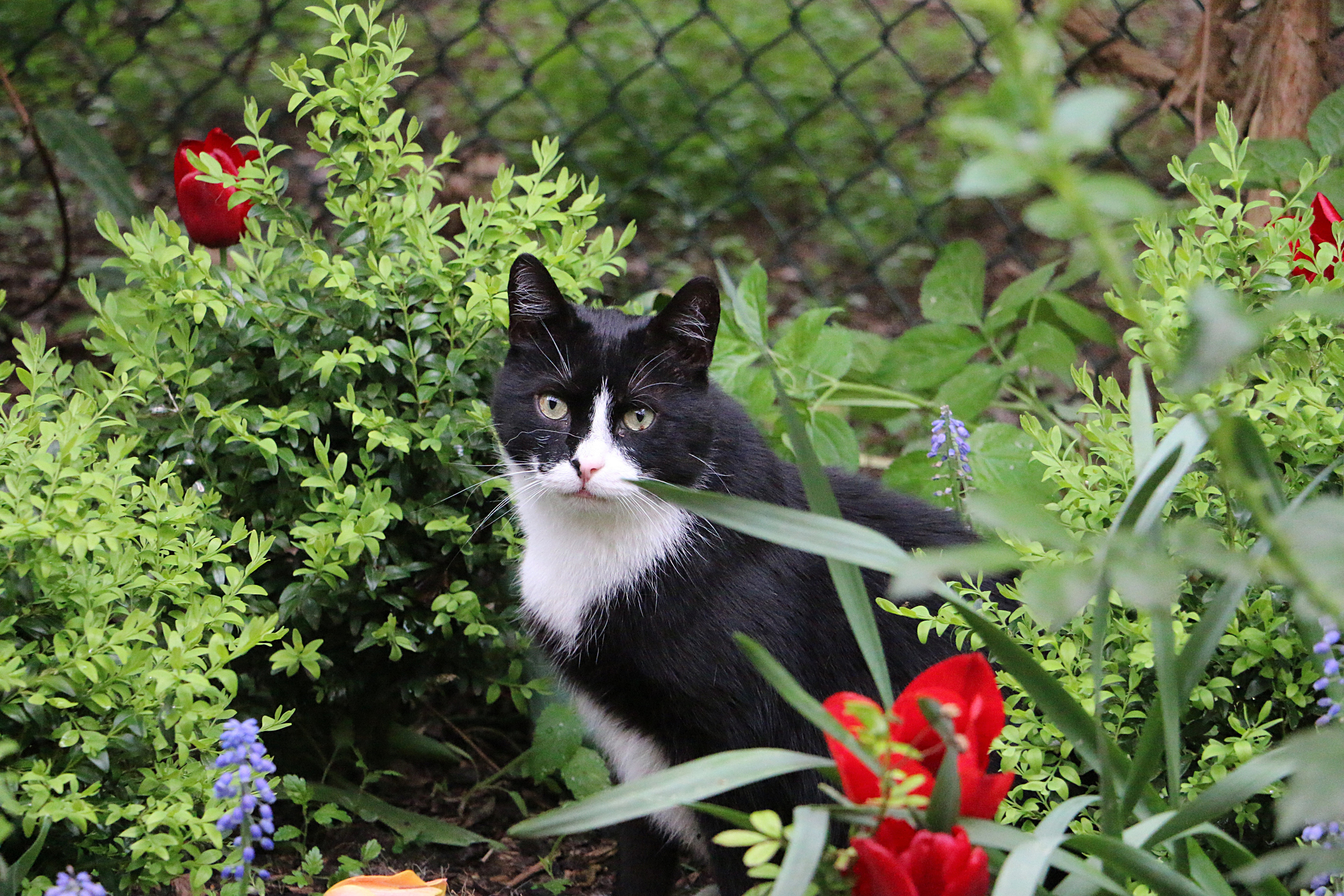
- Supervise outdoor time: Reduce exposure to toxic plants and pest control products by monitoring outdoor access or creating a secure enclosure.
- Use pet-safe pest control: Choose products designed to minimise risk and consult your vet if unsure.
- Encourage enrichment: Bored cats are more likely to nibble the wrong things. Keep them mentally stimulated with toys and treat boxes.
- Schedule regular vet visits: Ongoing check-ups help monitor health and catch issues early.
IS IT COVERED?
If you do end up at the vet with an ingestion case on your hands, pet insurance can help reduce your worry. By covering a portion of eligible vet bills when the unexpected happens, having a policy in place can help ease the stress of a sudden emergency.
Not all conditions or items are covered by pet insurance, so always check your policy’s Product Disclosure Statement for information about coverage and exclusions.
A TASTE OF ARMAGEDDON
Your cat is driven by curiosity, and at times that will get them into hot water. You can help by getting any truly dangerous obstacles out of their way, such as tasty – yet deadly – household objects. Hide your nasty nibblies, turf the toxic plants and put your crafts away so your cat can enjoy safe exploration time around the house.