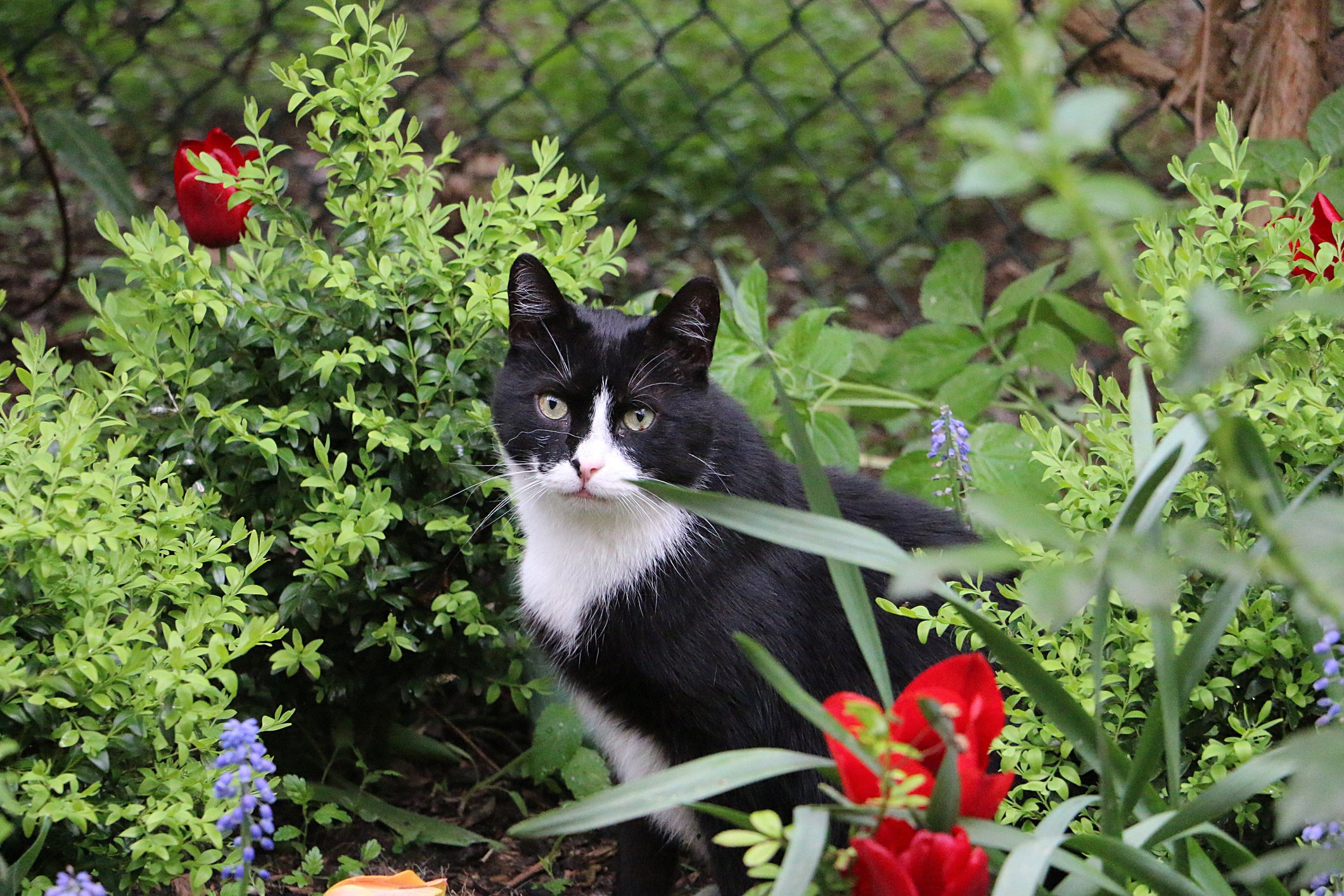
Fresh air and a backyard romp are essential elements for cats looking to live their best nine lives. Try as they may (and they will), they can’t stay inside all day.
But there are quieter risks lurking in the greenery, and although they’re surreptitious in nature, they’re no less deadly. Among the most common and dangerous for cats is plant toxicity.
WHAT IS OUTDOOR PLANT TOXICITY?
Let’s cat to the chase: we all know that lilies are extremely poisonous to cats – that's why we don’t have them in the house. But we can control our indoor greenery; what happens outside can be a dice roll, and their cuteness won’t cover it.
Some plants commonly found in outdoor areas are just as toxic – if not more so - to our furry companions. In fact, most plants can be toxic if a large quantity is ingested – even those considered pet safe. In this article, we’ll take a look at some of the more seriously toxic plants and the lethal substances within them.
It’s also worth noting that Australia is home to several varieties of toxic wild mushrooms, including Agaricus xanthodermus (the yellow-staining mushroom) and the deadly death cap, Amanita phalloides. When it comes to mushrooms, always assume wild varieties are toxic and prevent your pet from accessing them. If your pet does eat a wild mushroom, seek veterinary advice immediately.
WHO IS AFFECTED?
Cats and dogs of any age and breed can be affected by plant toxicity. There’s no particular breed that’s more susceptible – curiosity doesn’t discriminate.
According to PetSure 2025 claims data, toxin ingestion was most prevalent in the following breeds:
| Breed | Prevalence |
|---|---|
| Norwegian Forest Cat | 2.39% |
| Siamese | 2.00% |
| Australian Mist | 1.97% |
| Burmese | 1.96% |
| Birman | 1.78% |
| Maine Coon | 1.64% |
| Persian | 1.58% |
| Devon Rex | 1.49% |
| Siberian | 1.30% |
| Sphynx | 1.29% |
Prevalence = Total number of unique claiming pets / total number of insured pets across 12-month period. Excludes breeds with less than 500 active pet insurance policies.
The data also shows the majority of toxin ingestion cases affect pets under three years of age. That likely comes down to youthful curiosity – you know, the kind that says, “I’ll just chew this and see what happens.”
Because toxic plants present a danger across the board, it’s best not to take any chances. Consider a secure outdoor cat run for your feline explorer to limit their exposure when playing outside.
SIGNS OF PLANT TOXICITY
Depending on the type of toxin involved and the amount consumed, the signs that your cat’s been among the wrong plant-based pigeons can vary.
Milder symptoms may include oral irritation, such as excessive drooling or pawing at the mouth, or gastrointestinal upsets like vomiting and diarrhoea. In more serious cases, you may see abdominal pain, lethargy and more extreme symptoms such as organ damage or seizures.
In some cases, plant toxicity can be fatal. If you suspect your cat has eaten something they shouldn’t have, contact your vet immediately.
|
Toxin |
Common Plant Species |
Symptoms |
|---|---|---|
|
Ricin – toxic protein |
Castor bean or castor oil plant (Ricinus communis) |
|
|
Glycosides |
|
|
|
Pyrethrins (Affect cats particularly badly) |
|
|
|
Grayanotoxins |
|
|
|
Alkaloid |
|
|
|
Cycasin |
Sago palms (Cycas revolute) |
|
|
Saponin |
|
|
|
Solanine |
|
|
|
Calcium oxalate |
|
|
MANAGING PLANT TOXICITY
As with so many pet health conditions, prevention is always better than treatment.
If your pet has ingested plant material and you’re unsure whether it’s toxic, it’s safest to treat it that way. Remove any plant material from your pet’s mouth and consider a trip to the vet for further examination.
Before you go, take samples of the plant along with photos of leaves, flowers and any fruit. These details can help your vet identify the plant and determine the most appropriate treatment.
And treatment can vary depending on the toxin involved. It may be as simple as removing the offending material from your pet’s mouth and rinsing with water or milk, or as drastic as inducing vomiting to clear the stomach. Activated charcoal may be given to absorb toxins in the intestinal tract.
In the worst cases, treatment may involve medications to support heart and lung function, hospitalisation for monitoring and intravenous fluids to support affected organs.
HOW MUCH DOES TREATMENT COST?
The pain of plant toxicity spares no-one, including your savings. PetSure 2025 claims data shows the average single treatment cost relating to plant toxicities was $1,178, with the highest single treatment cost coming in at $12,125.
We’re not kitten.
PET-PROOFING YOUR GARDEN
Don’t want to give up the garden time for your resident feline? With a little foresight, you won’t have to.
Aim to include only pet-safe plants in your garden and remove any known toxic varieties. Here are some to get you started:
|
Common non-toxic outdoor plant |
|---|
|
Camellia (Camellia japonica) |
|
Fuchsia (fuchsia) |
|
Sunflower (Helianthus) |
|
Rose (Rosa) |
|
Petunia (Petunia) |
|
Coral bells (Heuchera) |
|
Crepe myrtle (Lagerstroemia) |
|
Rosemary (Rosmarinus officinalis) |
|
Hibiscus (Hibiscus syriacus) |
|
Silver heart (Peperomia caperata) |
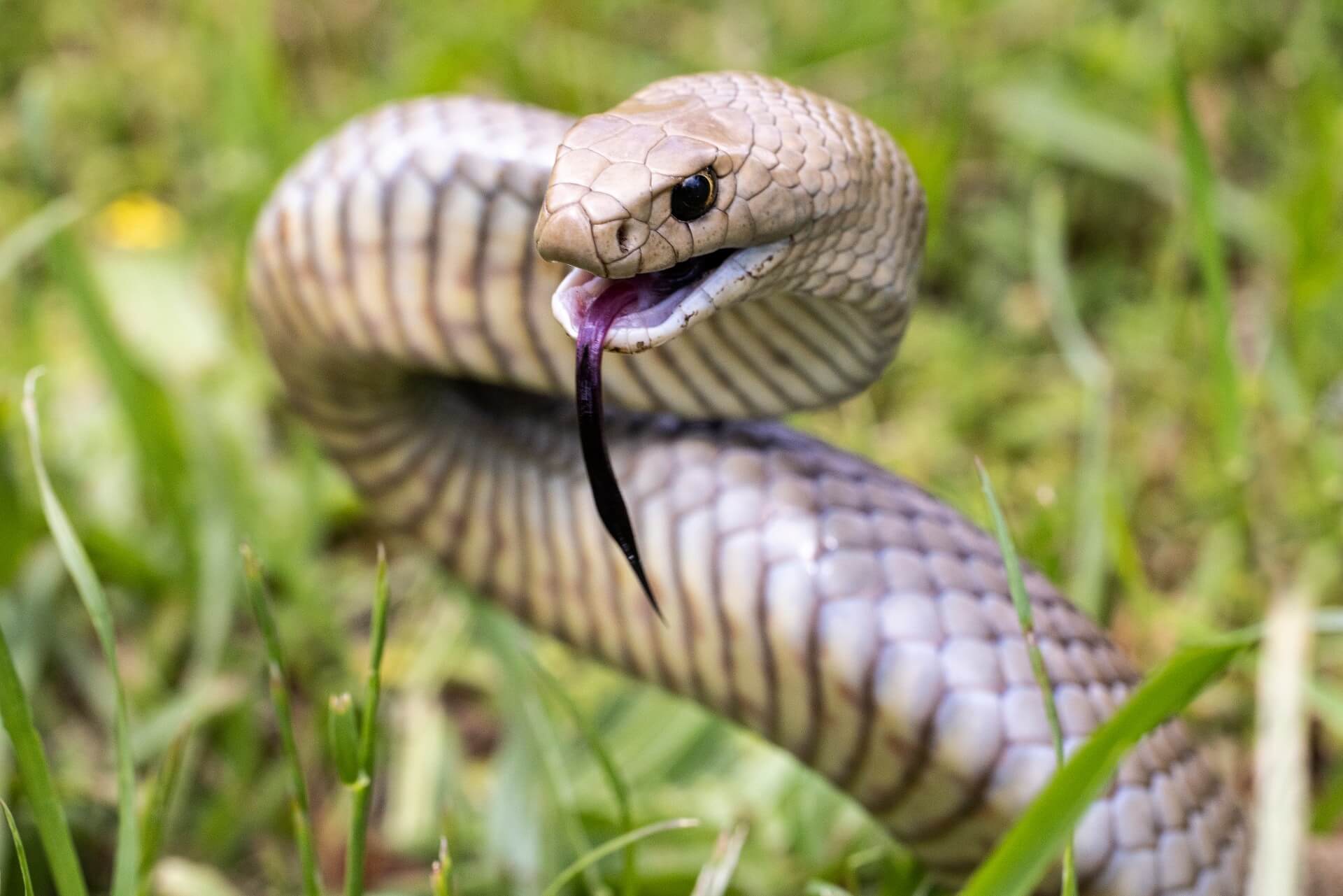
Cats benefit from a secure outdoor enclosure that provides a safe space to explore, free from toxic plants and other hazards like roads, other animals and snakes.
Make sure your pets have safe alternatives to satisfy their botanical urges, such as pet grass or catnip.
And even after pet-proofing your garden, stay mindful of other risks. Pesticides, rodenticides, snail bait and fertilisers can all be harmful if eaten.
Some cats are, through no fault of their own, permanently indoor pets. Those housebound moggies can also benefit from your new knowledge of toxic plants - stick to cat-safe potplants around the house.
A BED OF ROSES
Your garden should be a tranquil, relaxing place to hang out, for you and your cat. Keeping these considerations in mind and taking some effective steps can nip any toxic concerns in the bud, so they can enjoy the great outdoors with you.
Plant toxicity is generally covered by Accidental Injury pet insurance policies administered by PetSure, unless related to a pre-existing condition or exclusion. Refer to your policy documents including Certificate of Insurance and Product Disclosure Statement for more information on whether this condition is covered under your policy.
Disclaimer: Reimbursement for these claims would be subject to applicable waiting periods and any applicable excess. Cover is subject to the policy terms and conditions. You should consider the relevant Product Disclosure Statement or policy wording available from the relevant provider.